
Identifying Early Signs of Bronchitis and Pneumonia in Kids
The cold season may bring up some phrases you’re familiar with, such as “pneumonia” or “bronchitis.” One is far more concerning than the other, even though they might end up in the same conversation.
Signs of Bronchitis and Pneumonia in Kids
Bronchitis vs. Pneumonia
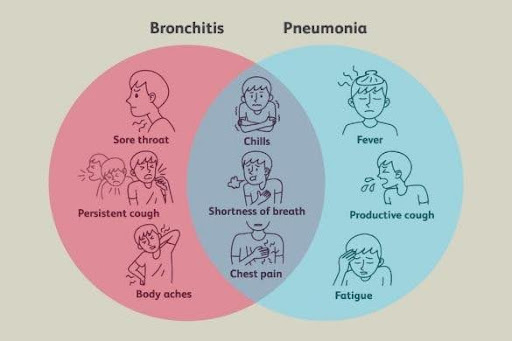
Though both bronchitis and pneumonia may cause symptoms like coughing, fever, and fatigue, they are distinct respiratory conditions. Bronchitis usually results from a viral infection and primarily affects the bronchial tubes, which are the airways that lead to the lungs. In contrast, pneumonia is an infection that directly impacts the lung tissues and can be caused by viruses, bacteria, or fungi.
Signs and Symptoms of Bronchitis in kids
Acute bronchitis often begins with a dry, persistent cough caused by inflammation of the bronchial tube lining. As it progresses, symptoms may include:
• A cough that produces thick white, yellow, or green mucus
• Shortness of breath
• Chest discomfort or tightness
• Wheezing (a high-pitched or whistling sound while breathing)
• Headache
• Fatigue and feeling generally unwell
• Mild fever
• Chills
Causes of Bronchitis
Acute bronchitis is most often caused by a viral infection, typically following a cold or other upper respiratory illness. The virus can spread:
Through airborne droplets released when an infected person coughs
By touching the eyes, nose, or mouth after contact with contaminated surfaces or respiratory secretions from someone infected
Signs and Symptoms of Pneumonia in kids
Pneumonia can present with a variety of symptoms, which may include:
• Fever
• Cough
• Chills
• Rapid breathing
• Noisy breathing, such as wheezing or grunting
• Labored or difficult breathing
• Vomiting
• Chest discomfort
• Stomach pain
• Low energy or reduced activity levels
• Loss of appetite in older children or poor feeding in infants
Causes of Pneumonia
Pneumonia is most commonly caused by viruses such as the flu or respiratory syncytial virus (RSV). When caused by a virus, the illness typically develops gradually and tends to be less severe.
In some cases, pneumonia is caused by bacteria. Bacterial pneumonia often comes on quickly, with symptoms like a sudden high fever, persistent cough, and rapid breathing. Common types include pneumococcal pneumonia, mycoplasma pneumonia (often called walking pneumonia), and pertussis (also known as whooping cough).
How Is Bronchitis Diagnosed?
If bronchitis is suspected, the doctor will perform a physical examination and use a stethoscope to listen for signs of wheezing or congestion in the child’s lungs.
Typically, no specific tests are required to confirm bronchitis. However, a chest X-ray might be recommended to rule out other conditions, such as pneumonia.
How Is Pneumonia Diagnosed?
To diagnose pneumonia, doctors begin with a physical exam. They observe the person’s overall appearance, breathing rate, and vital signs. They’ll also listen to the lungs using a stethoscope and may recommend a chest X-ray to confirm the diagnosis.
How Is Bronchitis Treated?
If bronchitis is caused by a virus, antibiotics won’t be prescribed, as they only work against bacterial infections. Most children recover with supportive care at home. Doctors usually advise kids and teens to:
Stay well-hydrated by drinking plenty of fluids
Get enough rest to help the body heal
Can Bronchitis Be Prevented?
Good hand hygiene, especially during cold and flu season, is one of the best ways to prevent bronchitis. It’s also important to avoid exposure to secondhand smoke, so encourage family members who smoke to quit and keep children away from smoky environments.
How Is Pneumonia Treated?
Doctors typically treat bacterial pneumonia with oral antibiotics, which are usually effective when given at home. The specific antibiotic depends on the suspected bacteria causing the infection.
Some children may need to be hospitalized if they have persistent high fever, difficulty breathing, need oxygen support, are vomiting and unable to take oral medication, or if the infection may have spread to the bloodstream.
Hospital care may include intravenous (IV) antibiotics, fluids, and breathing support. Severe cases might require care in the intensive care unit (ICU).
Can Pneumonia Be Prevented?
Certain types of pneumonia can be prevented with vaccines. Children begin receiving routine immunizations against Haemophilus influenzae, pneumococcus, and whooping cough at around 2 months of age.
Annual flu shots and the updated COVID-19 vaccine are advised for everyone aged 6 months and older. These vaccines are especially important for children with chronic health issues like asthma or heart and lung conditions.
Conclusion
Even though your child’s cough might seem heavy and concerning, focus on keeping them comfortable and making sure they stay well-hydrated. Be sure to inform their pediatrician if you notice anything unusual, such as a high fever or blood in the mucus. If bronchitis occurs frequently, consult the doctor to check for any underlying chronic conditions that could be contributing.