
20th March, 2026
What Is Hydrocephalus and Its Types
Dr. P. Keerthi Kundana
Excessive buildup of cerebrospinal fluid (CSF) in the brain's ventricles is known as hydrocephalus.
What Is Hydrocephalus and Its Types
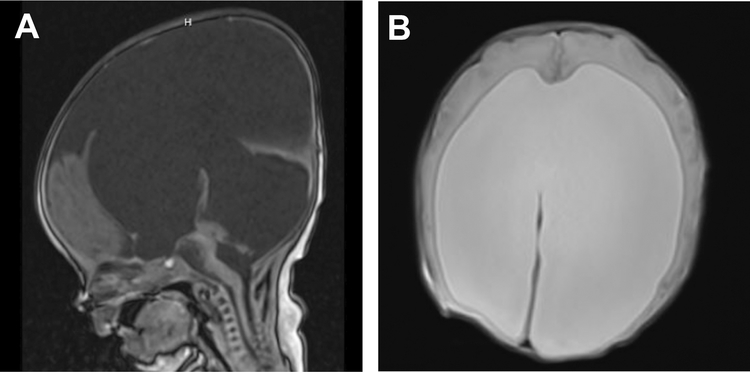
Hydrocephalus is a chronic neurological condition that occurs due to the abnormal buildup of cerebrospinal fluid (CSF) within the brain’s ventricles (fluid-filled spaces).
It occurs when the production and absorption of CSF are out of equilibrium. The ventricles enlarge due to this extra fluid, which raises the pressure on the brain.
There are several types of hydrocephalus:
- Communicating Hydrocephalus: In this type, CSF flow is blocked after it leaves the ventricles. But the word "communicating" means that the ventricles are still in communication with each other, so fluid can travel between them.
- Non-Communicating (Obstructive) Hydrocephalus: This is when there's an obstruction to one or more of the small channels connecting the ventricles, and normal CSF movement is blocked.
- Normal Pressure Hydrocephalus (NPH): A type of communicating hydrocephalus, this condition usually occurs in the elderly, although it can happen to anyone. It is represented by normal CSF pressure in spite of fluid accumulation.
Hydrocephalus may also be classified according to when it develops:
- Congenital Hydrocephalus: Congenital hydrocephalus, which manifests at birth, can be brought on by genetic defects or by events or factors that take place during fetal development.
- Acquired Hydrocephalus: The development of acquired hydrocephalus occurs either during or after birth. People of all ages may experience this kind of hydrocephalus, which can be brought on by an illness or injury.
What Are the Signs & Symptoms of Hydrocephalus?
In infants and children, hydrocephalus symptoms might include:
fussiness and exhaustion
poor appetite
vomiting, delayed development, and eyes that remain downward
fussiness and exhaustion
poor appetite
vomiting, delayed development, and eyes that remain downward
The "soft spot" is still present in infants under one year old because their skull bones have not yet entirely fused. In these, hydrocephalus typically results in large scalp veins, enlarging of the head, and bulging at the soft spot.
What Causes Hydrocephalus?
Hydrocephalus can happen due to several reasons, including:
Aqueductal stenosis: when the passage of cerebrospinal fluid (CSF) between the brain's ventricles is obstructed
Spina bifida: when a baby's spinal cord does not fully form
Infections that occur during pregnancy and preterm birth problems
Brain haemorrhage (after a brain injury or stroke)
An infection in the brain
A brain tumour
How Is Hydrocephalus Diagnosed?
Doctors usually diagnose hydrocephalus by:
Asking about the child’s symptoms- Doing a physical examination
- Imaging tests like an ultrasound, CT scan, or MRI to see the buildup of fluid
How Is Hydrocephalus Treated?
Treatment varies according to the child's age and cause. The main options are:
Surgical
• VP Shunt (Ventriculoperitoneal Shunt):
A thin tube is inserted under the skin to drain excess fluid from the ventricles of the brain to the abdomen, where the body can absorb it.
Shunts will need to be replaced as the child develops
They can also be replaced if they block or get infected
• ETV (Endoscopic Third Ventriculostomy):
A tiny hole is made at the bottom of a brain ventricle to enable CSF to circulate and be absorbed naturally.
Supportive Therapies (if there is a delay in development):
•Early intervention programs
•Physical therapy
•Occupational therapy
These assist with facilitating the child's movement, coordination, and daily skills as they grow.
Why Choose Ankura Hospital for Treating Hydrocephalus in Children?
At Ankura Hospital, we deliver specialized and empathetic treatment for children with a diagnosis of hydrocephalus. Our highly qualified pediatric neurosurgeons and pediatric neurologists employ cutting-edge diagnostic imaging and surgical procedures to provide safe and effective care. In addition to that, we provide supportive therapies such as physiotherapy, occupational therapy, and developmental programs to facilitate improvements in children's growth and quality of life. With cutting-edge facilities, a multi-disciplinary staff, and child friendly care, Ankura Hospital provides holistic treatment and long-term management for children suffering from hydrocephalus.
Related Specialties
Frequently Asked Questions
Our healthcare specialists are equipped with the knowledge and skills to provide you with the support you require. From consultation to diagnosis to treatments, our experts are dedicated to helping you.