What is Bone Marrow Transplantation?

As parents, few things are more difficult than seeing your child face a serious illness. When you hear your doctor talk about a bone marrow transplant (BMT), also called a stem cell transplant, it can sound intimidating. But in many cases, it’s a treatment that offers children a real chance at a cure or long-term recovery. Let’s understand what it truly means.
What Is Bone Marrow and Why Is It Important?
Bones, as you feel them, are not all hard. There is a soft, spongy tissue inside our bones; it is this tissue that produces blood-forming stem cells.
Stem cells are special cells in the body that have the unique ability to develop into different types of blood cells, like red cells, white cells, and platelets. They also have the potential to continuously renew themselves, helping keep the blood and immune system healthy. The three main types of blood cells formed from the stem cells are-
Red blood cells: The ones that carry oxygen throughout the body
White blood cells: The ones that fight infections
Platelets: The ones that help blood to clot and prevent bleeding
When the bone marrow stops working properly due to inherited genetic disorders, or certain infections,or due to infiltrative disorders like cancer, the body loses the ability to produce healthy blood cells. This is where a bone marrow transplant can help.
What Is a Bone Marrow Transplant?
A bone marrow transplant replaces the damaged or diseased bone marrow in the affected children with healthy stem cells. These new stem cells can come either from the child’s own body, from a donor, or from cord blood if it was preserved at the time of delivery. Once transplanted, they travel to the child’s bone marrow spaces and begin producing healthy blood cells again.
Why Does a Child Need a Bone Marrow Transplant?
There are several conditions for which a BMT may be recommended in children, such as:
- Blood cancers like Refractory/ Relapsed leukemia, lymphoma, or myelodysplastic syndrome
- Aplastic Anemia, which leads to bone marrow failure
- Inherited blood disorders like thalassemia major or sickle cell disease
- Certain immune system disorders in which the body cannot fight infections properly
- Metabolic or genetic disorders that affect how the body processes certain substances
In each case, the goal is to replace the child’s unhealthy bone marrow with new, healthy stem cells so that normal blood formation can resume.
Types of Bone Marrow Transplant
There are three types of bone marrow transplants:
Autologous Transplant
In an autologous transplant, your child’s own stem cells are used. These stem cells are collected when your child’s bone marrow is healthy and free from disease, stored safely, and later transfused after high-dose chemotherapy or radiation.
Stem cells can be collected in two ways:
Peripheral Blood Stem Cell Collection: Stem cells are collected from the bloodstream using a process called apheresis. A special machine separates the stem cells from the blood and returns the other components of the blood to the body.
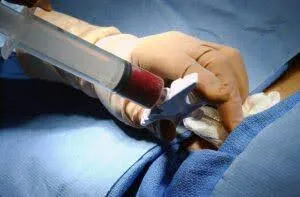
Bone Marrow Harvest: Sometimes, stem cells are collected directly from the bone marrow, usually from the hip bones, under anesthesia in a sterile operating theatre.
After the collection, these stem cells are frozen and preserved. Once the child completes intensive chemotherapy to eliminate the defective cells, the stored stem cells are thawed and infused back through a vein, much like a blood transfusion.
The transfused stem cells then travel to the bone marrow spaces and start producing new, healthy blood cells, helping the body recover faster from the effects of chemotherapy/ other modalities of treatment .
Allogeneic Transplant
In an allogeneic transplant, the stem cells are collected from a donor. For this to work safely, the donor and the child must share similar genetic tissue types, determined through a test called HLA (Human Leukocyte Antigen) matching. The closer the match, the better the chance of the new stem cells working well without complications.
The process of donor matching can be lengthy. The best donors are usually brothers or sisters, as siblings have the highest chance of being a match. If no matched sibling is available, a parent can be matched and be a donor. In other cases, a suitable match may be found through national or international donor registries.
Umbilical Cord Transplant
In this case, stem cells collected at the time of the child’s birth are used for a bone marrow transplant. This process, called cord blood banking, involves stem cell collection from the umbilical cord at the time of the child’s birth. It’s important to understand that such a process is done irrespective of whether these cells will be used later or not. It is purely a precautionary measure for just in case the need arises.
The stem cells are tested, typed, counted, and frozen until they are needed for a transplant.
The Process of Bone Marrow Transplant
Pre-Transplant Evaluation: The child undergoes detailed tests to ensure they are fit for transplant and to identify the best donor. Counseling sessions help families understand the procedure and its implications.
Conditioning Phase: The child receives high-dose chemotherapy (and sometimes radiation) to destroy the diseased bone marrow.
Stem Cell Infusion: The healthy stem cells are infused into the child’s bloodstream through a central line similar to a blood transfusion. The procedure itself is painless.
Engraftment and Recovery: Over the next few weeks, the new stem cells travel to the bone marrow and start producing new blood cells. During this period, the child stays in a specialized isolation room to reduce infection risk.
Pediatric haematologist and oncologist closely monitor for engraftment to ensure the new marrow has started functioning.
Post-Transplant Care
After discharge, regular follow-ups are crucial. The immune system may take several months to recover fully, and precautions against infection, diet restrictions, and medication compliance are essential.
Possible Risks and Complications
While bone marrow transplantation can be life-saving, it does come with potential risks:
- Infections, since immunity is temporarily low
- Graft-versus-host disease (GVHD) in allogeneic transplants, where donor cells attack the child’s tissues
- Organ toxicity from chemotherapy or radiation
- Graft failure, where new cells do not grow as expected
Your child’s transplant team will monitor closely and manage these risks proactively with medications, supportive care, and timely interventions.
Recovery after a bone marrow transplant is gradual. The first 100 days are often the most critical, but improvement continues for many months.
Parents play a vital role, ensuring medications are taken on time, maintaining a hygienic environment, keeping follow-up appointments, and supporting the child emotionally. Most children gradually return to school, play, and regular activities once their immunity stabilizes.
With improved donor registries, better medications, and specialized pediatric transplant units, outcomes today are far better than ever before.
Why Choose Ankura?
Ankura Hospital for Women and Children has the best team of pediatricians and pediatric haematologists, and oncologists who are committed to providing empathetic and quality care for babies and children. We offer the most advanced and world-class setup for pediatric haematology and oncology, where every child is treated with personalized care, clinical excellence, compassion, and utmost safety.
At Ankura, we believe in a family-centered approach, ensuring parents are involved in every step of the care process. With state-of-the-art diagnostic tools, child-friendly facilities, and 24/7 pediatric support, Ankura remains a trusted destination for comprehensive care in pediatric blood disorders and childhood cancers.