Thyroid Disorders in Children: Early Detection and New Treatment Approaches
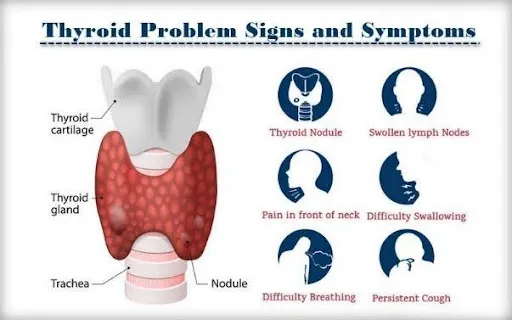
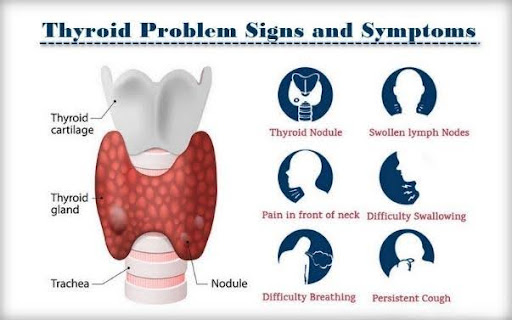
The thyroid gland, shaped like a butterfly and situated at the front of the neck, is essential for the body’s functioning. It produces hormones that support brain growth and development in infants and help regulate metabolism as children grow. The most common thyroid issues include hypothyroidism, hyperthyroidism, and thyroid nodules, all of which can be effectively treated.
Thyroid Problem Signs and Symptoms
Understanding Pediatric Thyroid Disorders
Childhood thyroid disease arises when the thyroid gland produces either too little (hypothyroidism) or an excess of hormone (hyperthyroidism). Both conditions can create a range of health problems and delays in development if not treated.
Types of Childhood Thyroid Disease:
Congenital Hypothyroidism: This condition is present at birth, when a baby’s thyroid gland does not form, is underdeveloped, or does not make enough thyroid hormone.
Acquired Hypothyroidism: Usually occurs later in childhood or adolescence, most commonly from an autoimmune disease such as Hashimoto’s thyroiditis.
Hyperthyroidism: Also less common in children, it is most frequently due to Graves’ disease, an autoimmune condition that overstimulates the thyroid gland.
Thyroid Nodules and Cancer: While uncommon, thyroid nodules and childhood thyroid cancers should be immediately evaluated and treated.
Hypothyroidism
Hypothyroidism is a situation where the thyroid gland does not function properly and fails to produce sufficient thyroid hormones. The most prevalent cause is an inherited autoimmune disease known as Hashimoto’s Thyroiditis, which usually occurs in families and cannot be avoided.
There are two main forms of hypothyroidism. Congenital hypothyroidism is an inborn condition and is typically found by routine screening of newborns. It occurs in about 1 in 2,000 to 4,000 newborns.
The second form, acquired hypothyroidism, often emerges at adolescence but can occur at any age. Approximately 1 in 2,000 children are affected, with the primary cause being Hashimoto’s thyroiditis.
Symptoms and Diagnosis
Newborns diagnosed through early screening usually show no symptoms. However, older children may exhibit signs such as slight weight gain (about 5–10 pounds), tiredness, constipation, sensitivity to cold, dry hair, irregular menstrual cycles, and sometimes a visibly or physically noticeable enlarged thyroid gland. A simple blood test can confirm the diagnosis.
It’s important to understand that while hypothyroidism can lead to weight gain, weight gain alone does not automatically suggest a thyroid issue. Children who are overweight but otherwise healthy and growing normally are less likely to have hypothyroidism. In fact, excess weight can slightly alter thyroid levels without needing treatment.
Hyperthyroidism
Hyperthyroidism occurs when the thyroid gland becomes overactive and produces an excess amount of thyroid hormones. The most common cause in children is an autoimmune condition called Graves’ disease. It affects approximately 1 in 10,000 children.
Symptoms and Diagnosis
Children with hyperthyroidism may experience noticeable weight loss, accelerated growth, increased activity levels, anxiety, mood changes, frequent loose stools or diarrhea, and proptosis—a condition where the eyes appear to bulge or shift outward. The thyroid gland may become enlarged and can often be felt during an exam. A simple blood test can confirm the diagnosis.
Thyroid Nodules
A thyroid nodule is a small lump that forms within the thyroid gland. While nodules are fairly common and usually non-cancerous in adults, they are uncommon in children. However, when they do occur in kids, there is a higher chance—up to 25%—that they could be cancerous.
Symptoms and Diagnosis
Thyroid nodules do not usually produce any symptoms. They are usually found on annual checkups or in an imaging performed for some other reason. Occasionally, if it is a large nodule, parents may see a swelling or lump in the neck.
Thyroid cancer in children is also generally symptom-free and, unlike many other types of cancer, rarely causes noticeable problems. It is most commonly discovered by examination of a thyroid nodule.
If a nodule is suspected, a thyroid ultrasound is recommended to confirm its presence. However, an ultrasound isn’t necessary for just an enlarged thyroid unless a distinct nodule is felt or an abnormality is detected during examination.
Importance of Early Detection
Early detection of thyroid disorders in children is critical to prevent complications such as growth retardation, developmental delays, and learning difficulties. Newborn screening programs routinely check for congenital hypothyroidism, allowing for prompt treatment in affected infants.
Parents and pediatricians should remain vigilant for early signs of thyroid issues in kids. Regular wellness checkups, tracking developmental milestones, and addressing unusual symptoms can help identify thyroid problems before they escalate.
Child Thyroid Disease Treatments
Treatment for child thyroid disease depends on the type and severity of the disorder. Fortunately, most thyroid conditions in children can be effectively managed with medication and regular monitoring.
Treatments for Hypothyroidism:
Levothyroxine: A synthetic thyroid hormone taken orally to normalize hormone levels. Dosage adjustments are often necessary as the child grows.
Regular Blood Tests: To monitor thyroid hormone levels and ensure effective treatment.
Treatments for Hyperthyroidism:
Antithyroid Medications: Such as methimazole to reduce thyroid hormone production.
Beta-Blockers: Help manage symptoms like rapid heart rate and tremors.
Radioactive Iodine Therapy: In some cases, used to shrink the thyroid gland.
Surgery: Thyroidectomy may be considered in severe or non-responsive cases.
Pediatric thyroid disorders often require long-term management. Consistent follow-up with a pediatric endocrinologist ensures proper growth and development while minimizing potential complications.
Innovations in Pediatric Thyroid Care
Advancements in medical technology and research have introduced several innovations in pediatric thyroid care. These innovations focus on improving diagnosis, treatment accuracy, and patient outcomes.
Improved Diagnostic Tools:
Modern imaging techniques like high-resolution ultrasound and advanced blood tests have enhanced the ability to detect thyroid abnormalities early and accurately.
Genetic Testing:
Genetic screenings can help identify inherited thyroid conditions, particularly in families with a history of thyroid disease. This allows for proactive monitoring and early intervention.
Personalized Medicine:
Tailored treatment plans based on a child’s unique hormonal profile, age, and lifestyle factors are gaining traction. Personalized medicine enhances treatment efficacy and minimizes side effects.
Telehealth and Remote Monitoring:
Digital health platforms now enable remote consultations, especially beneficial for families in remote or underserved areas. Smart devices and apps can also assist in medication reminders and tracking symptoms.
Minimally Invasive Surgery:
Advancements in surgical techniques offer less invasive options for children requiring thyroid surgery. These methods reduce recovery time and minimize scarring.
Supporting Children with Thyroid Disorders
Managing a thyroid disorder in a child goes beyond medication. Emotional support, educational accommodations, and open communication are crucial for the child’s overall well-being.
Education and Awareness: Educating the child and caregivers about the condition empowers them to manage it effectively.
Nutritional Support: A balanced diet rich in iodine, selenium, and zinc can support thyroid function.
Psychosocial Support: Counseling may help children cope with chronic illness and body image concerns.
Conclusion
Pediatric thyroid disorders, though sometimes overlooked, can have lasting impacts on a child’s health and development. Awareness of pediatric thyroid disorder symptoms and early signs of thyroid issues in kids can lead to timely diagnosis and effective treatment. With advancements in diagnostic methods and child thyroid disease treatments, and innovations in pediatric thyroid care, children with thyroid disorders can lead healthy and fulfilling lives.
Early detection and individualized care remain the cornerstone of managing thyroid disorders in children, ensuring they grow, learn, and thrive without limitations.