
Stress and Women’s Health: Understanding the Mental Load Affects on the Body
Stress might feel like just a mental burden, but it deeply impacts a woman’s physical health, too. Curious how it affects your body and what you can do about it? Read on to find out.
How Can Stress Affect Women
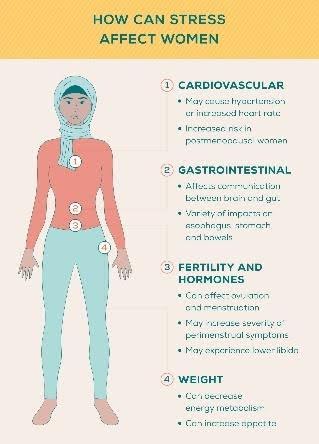
What is stress in women?
Stress is a natural reaction of the human body, designed to experience and react to changes or challenges, resulting in various emotional, physical, and behavioral responses. Everyone experiences stress at some point in their lifetime due to various reasons.
Women and men tend to react differently to stress, both psychologically and biologically, due to the combination of social and biological factors.
However, women feel more pressure to tend to the needs of others; many researchers reported that women feel higher levels of stress than men. In women, stress symptoms often arise from the body’s natural response to threatening or challenging situations, whether real or perceived.
Emotional labour and chronic stress
Emotional labour: The act of managing and regulating one’s own emotions to fulfil expectations from others or to achieve professional goals is called emotional labour. Much of women’s unpaid and often overlooked work—like running the household, giving emotional support, and managing social relationships – can significantly impact women’s mental and physical health.
Chronic stress in women: Chronic stress in women feels like the norm; over time, it can take a serious toll on both mental and physical health issues, including hormonal imbalances, heart problems, digestive issues, fatigue, weakened immunity, and cognitive decline. Long-term stress in women gradually disrupts sleep patterns, resulting in insomnia, night sweats, nightmares, and further impacting overall well-being.
Effects on menstruation, fertility, immunity
Menstruation
Stress can affect the menstrual cycle in various ways; not only does it alter hormone levels, but it also reduces energy. Stress affects the hypothalamic-pituitary-gonadal (HPG) axis (reproductive axis) and hypothalamic-pituitary-adrenal (HPA) axis.
The HPA axis is responsible for adjusting the hormonal balance in response to stress. During a stress response, the hypothalamus releases corticotropin-releasing hormone (CRH). This production then triggers the HPA axis stress response, resulting in the cortisol hormone.
When cortisol is released, it affects the release of other hormones essential to ovary stimulation, which disturbs menstruation.
Fertility
Stress response plays a crucial role in physiological processes, including reproduction and embryonic development.
Stress can have an impact on fertility by affecting hormone levels, ovulation, and overall reproductive health. Although the stress alone is not the exact cause of infertility, it can exacerbate the existing fertility issues and make it more difficult to conceive.
Immunity
Stress, especially chronic stress, can significantly impact a female’s immune system, leading to both dysregulation and suppression of immune responses.
Common symptoms and health markers
Stress symptoms in women can present as both physical and psychological issues, including:
Physical symptoms:
• Headaches
• Muscle tension
• Lack of energy
• Less interest in sex or other things
• Drug and alcohol misuse
• Skin issues
• Changes in menstrual patterns
• Sleep disturbances
• Changes in appetite
Emotional symptoms:
• Anxiety
• Depression
• Mood swings
• Irritability
• Anger
• Being out of control
• Unhappiness
• Frustration
Mental symptoms:
• Lack of focus
• Loss of interest in sex or other things
• No motivation
• Forgetfulness
• Negative thinking
Occupational symptoms:
• Poor concentration
• Work overload
• Burnout
How does stress affect my health?
If a person feels stress for a long period, causing certain complications, such as:
• Heart issues (high blood pressure, heart disease, and heart attack)
• Severe or frequent headaches (migraines and tension headaches)
• Mental health issues (panic disorder, major depression, generalized anxiety disorder)
• Obesity
• Suppressed immune system
Stress reduction strategies
Effective stress reduction strategies for women include:
• Eat well-balanced meals
• Get enough sleep
• Practice relaxation techniques (such as deep breathing, yoga, and meditation)
• Spend time with family and friends
• Go for a walk and disconnect from the chaos for a bit
• Exercise regularly
• Count to 10
• Identify the sources of stress
• Limit screen time
Mental wellness support systems
Many studies have shown that having a mental wellness social support system can have a positive impact on your overall mental health, especially for women, patients, older adults, students, and workers. Here are a few ways to build and strengthen your support system:
• Reach out to family and friends
• Connect with people who share your interests
• Use technology
• Seek professional help if needed
• Look for peer support groups
India is offering several mental wellness support systems for people who are experiencing stress, including NGOs, national helplines, and online platforms, including:
• Tele MANAS: The national tele mental health program (Tele MANAS)
• The Live Love Laugh Foundation
• MS Chellamuthu Trust & Research Foundation
• Mindroot Foundation
• BetterLYF
• Progno Health
Conclusion
Chronic stress and emotional labour can affect women’s hormones, fertility, immunity, and overall health. Prioritizing stress management, regular health check-ups, and emotional support is essential. Always consult a gynecologist, psychiatrist, or psychologist for proper guidance on symptoms, treatment, and long-term well-being.