
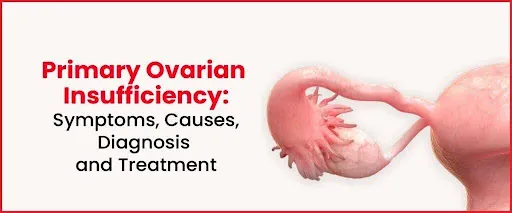
Premature Ovarian Insufficiency: Causes, Signs, Symptoms, Diagnosis and Treatment Options
Missing periods in your 20s or 30s? It might seem like stress, but sometimes it’s a sign of something more serious. Did you know there’s a condition where the ovaries stop working years before menopause? It’s called Premature Ovarian Insufficiency. Curious to know more? Read on to find out.
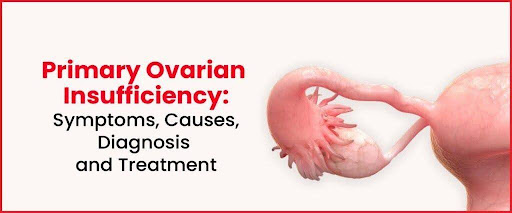
What is POI (Premature Ovarian Insufficiency)
Primary ovarian insufficiency (POI), also called premature ovarian failure, is an uncommon (rare) condition where the ovaries stop working before the age of 40, which is earlier than average in women, causing irregular menstrual periods and often leading to infertility. The typical age for egg production to cease is around 51, which is commonly referred to as menopause. Ovaries are tiny glands located on both sides of the uterus that produce and release eggs during ovulation and make hormones for pregnancy, menstruation, and other bodily functions.
Early signs and symptoms of POI
The first sign of POI is usually irregular or missed periods. Later, women develop symptoms that are similar to those of natural menopause:
• Night sweats
• Hot flashes
• Poor concentration
• Irritability
• Pain during sex
• Decreased sex drive
• Vaginal dryness
For many women with POI, infertility or trouble getting pregnant is the reason they visit the hospital. POI leads to other issues like:
• Anxiety and depression
• Dry eye syndrome and eye surface disease
• Heart disease
• Low thyroid function
• Infertility
• Osteoporosis
Causes and risk factors
In about 90% of cases, the exact cause of this condition is unknown. However, sometimes the cause may include:
• Metabolic disorders
• Genetic disorders such as Turner syndrome and Fragile X syndrome
• Autoimmune diseases, including Addison’s disease and thyroiditis
• Chemotherapy or radiation therapy
• Toxins such as chemicals, cigarette smoke, and pesticides
Certain factors can raise a woman’s risk of developing POI:
• Family history
• Genes (women with Fragile X syndrome or Turner syndrome are at higher risk)
• Cancer treatments
• Certain diseases (viral infections and autoimmune diseases)
• Age (High risk between the ages of 35 – 40)
Diagnosis of POI
To diagnose this condition, a healthcare professional may perform and consider the reports of:
• A medical history and physical examination (amenorrhea for at least 4 months or oligomenorrhea—menopausal symptoms)
• A pregnancy test
• Blood tests
• A pelvic ultrasound
• Endocrine assessments (FSH and luteinizing hormone (LH) levels on 2 occasions at least 4 weeks apart, and oestradiol levels)
• Genetic assessments (karyotyping and fragile X screening)
• Autoimmune screening (thyroid antibodies, adrenocortical antibodies, and/or 21-hydroxylase antibodies)
• Bone health assessment (bone densitometry scan)
Treatment (HRT, fertility support)
Currently, there is no proven treatment to restore the normal function of the ovaries. However, there are some treatments to manage some of its symptoms, including:
• Hormone replacement therapy (HRT): It is the most common treatment, which provides enough estrogen and other hormones that your ovaries are not making to decrease long-term health risks associated with estrogen deficiency.
• Calcium and vitamin D supplements: Women with POI are at higher risk for osteoporosis; to manage it, doctors recommend calcium and vitamin D supplements.
Fertility support:
• In vitro fertilization (IVF): There is no proven treatment to restore fertility; however, women with POI and their partners try to become pregnant through a procedure called in vitro fertilization.
• Regular physical activity and a healthy body weight: Getting regular exercise and controlling weight can lower the risk of osteoporosis and heart disease.
• Treatment for associated conditions: If a woman develops other conditions due to POI, they can be treated as well to control their impact.
Emotional and psychological support
Being diagnosed with POI can be incredibly difficult for a woman, especially if she had hopes of future pregnancies. It often brings a deep sense of loss and emotional distress. During this time, providing strong psychological and emotional support is essential to help her cope and navigate this challenging journey. Key strategies for support:
• Educate and empower
• Empathetic listening and validation
• Promote support groups
• Encourage professional counseling
• Encourage a healthy lifestyle
• Build a strong support network
• Respect privacy and boundaries
• Address body image and self-esteem
• Be patient and understanding
Conclusion
Premature Ovarian Insufficiency (POI) is a condition where the ovaries stop functioning before the age of 40. From early signs like irregular periods and hot flashes to underlying causes, fertility challenges, and treatment options like HRT and IVF — along with the emotional support needed — understanding POI is essential. If you’re experiencing symptoms, consult a gynecologist early for accurate diagnosis, guidance, and care.