Pneumonia in Children: Causes, Signs, Symptoms, Diagnosis and Treatment
Pneumonia, sometimes known as a chest infection, is an infection of one or both lungs. Both bacteria and viruses can cause pneumonia in children.
What is pneumonia in children?
An infection of the lungs is called pneumonia. It can range from mild to severe. Pneumonia typically affects children under the age of five.
What causes pneumonia in children?
Often, viruses or bacteria cause pneumonia.
The majority of pneumonia cases are caused by viruses, such as the flu or respiratory syncytial virus (RSV). The symptoms of viral pneumonia in children are typically mild and develop gradually.
Pneumonia is less often caused by bacteria. Children typically get sick more quickly after that, beginning with a sudden high fever, cough, and perhaps rapid breathing. Pneumococcal pneumonia, mycoplasma pneumonia (also known as walking pneumonia), and pertussis (whooping cough) are examples of bacterial pneumonia.
Signs and symptoms of pneumonia in children
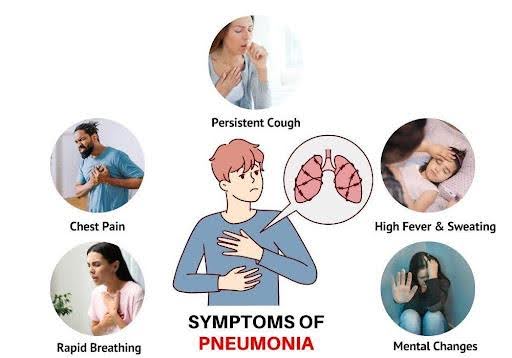
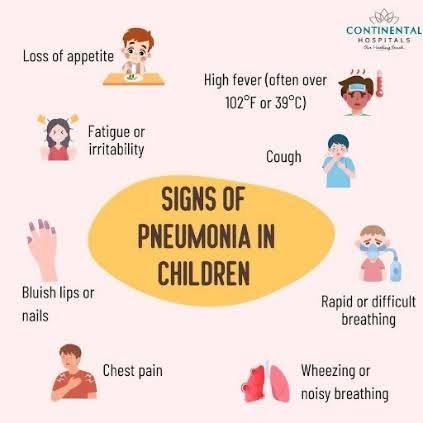
The age of your child and the cause of the pneumonia will affect the signs and symptoms. One or more of the following is common in children:
High temperature, rapid breathing, and/or difficulty breathing: your child’s breathing will become hard, and you might notice that their nostrils flare or that the ribs or skin around their neck “suck in” as they breathe.
Younger babies may also bob their heads when breathing.
Cough irritation or fatigue, chest pain, particularly when coughing, and abdominal (tummy) aches or pains.
How Is Pneumonia Diagnosed in Children?
To check for pneumonia, doctors will perform an examination. They will examine the individual’s vital signs, breathing pattern, and appearance. After listening to the lungs, they might ask for an X-ray of the chest.
How Is Pneumonia Treated?
Antibiotics are not necessary for children with viral pneumonia. Antibiotics do not combat viruses; they only combat bacteria. If the flu virus causes viral pneumonia, an antiviral medication may be prescribed if the illness is still in its early stages.
Doctors prescribe an oral antibiotic to treat bacterial pneumonia. This may typically be completed at home. The kind of bacteria believed to have caused the pneumonia determines the medication they employ.
If a child has a persistent high fever or breathing difficulties, requires oxygen, is vomiting and unable to take medication, or has a lung infection that may have spread to the bloodstream, they may require hospital treatment.
Hospital care may involve giving antibiotics and fluids through an IV, along with breathing support. In more severe cases, treatment might take place in the intensive care unit (ICU).
Is Pneumonia Contagious?
Although the respiratory viruses and bacteria that cause pneumonia are communicable, pneumonia itself is not. Through coughing and sneezing, a person who has these viruses in their mouth or nose might infect others.
Sharing drinking glasses and cutlery with an infected individual, as well as touching their used tissues or handkerchiefs, can also spread these bacteria. If someone in your home has a respiratory infection or throat infection, keep their drinking cups and eating utensils separate from those of other family members, and wash your hands well and often, especially if you’re handling used tissues or dirty handkerchiefs.
Avoid skipping vaccinations. All children should start receiving a series of vaccinations to help prevent bacterial pneumonia as early as two months of age.
Even if a child has an egg allergy, they should all receive a flu shot annually if they are six months of age or older. Avoiding the flu reduces the risk of developing pneumonia and serious respiratory issues.
Ask your child’s doctor or healthcare provider if further vaccinations are necessary if they have a weakened immune system or long-term heart, lung, or kidney issues.
When your child coughs or sneezes, teach them to cover their mouth and nose.
Practice and teach proper hand hygiene.
Toys, tables, doorknobs, and other frequently touched surfaces should be cleaned with soap and water or a disinfectant wipe.
When to consult a doctor
You should consult your child’s pediatrician if you think your child has pneumonia. Usually your child won’t need any tests, but sometimes a pediatrician will advise a blood test or X-ray to help diagnose pneumonia.
Why choose Ankura Hospital for pneumonia treatment in children?
Ankura Hospital offers specialized pediatric care with experienced doctors trained in diagnosing and treating all types of pneumonia in children. From accurate diagnosis to advanced hospital facilities, including PICU support for severe cases, Ankura ensures compassionate, expert care tailored to your child’s needs.