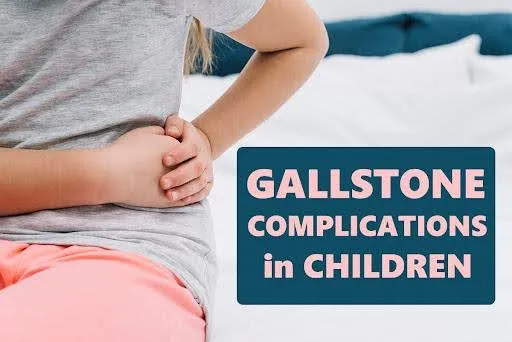
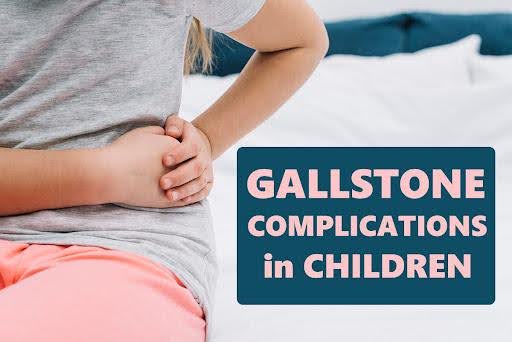
Gallstones in Children: Role of the pediatric surgeon When we think of gallstones, most of us imagine adults. But did you know that children can also develop gallstones? In fact, doctors are noticing gallstones in children more often than before. Let’s understand what this means for your child.
The gallbladder is a small pouch under the liver. Its job is to store bile, a liquid that helps digest fat. Sometimes, small stone-like lumps called gallstones form inside the gallbladder.
These stones may be made of cholesterol, pigment (from blood breakdown), or a mix of substances.
Why do children get gallstones?
Several reasons can lead to gallstones in children:
Blood-related conditions – like sickle cell disease or hereditary spherocytosis, which increase the breakdown of red blood cells.
Obesity and lifestyle – excess weight and poor diet can increase the risk.
Medicines – some drugs, like ceftriaxone (an antibiotic), can cause gallstone formation.
Total parenteral nutrition (TPN) – children who need IV nutrition for a long time may develop stones.
Other rare conditions – metabolic problems, cystic fibrosis, and genetic factors.
Do gallstones cause symptoms in children? Not always. In many children, gallstones are found by accident during an ultrasound scan for some other reason. But when symptoms appear, they may include:
Pain in the upper right side of the abdomen (sometimes after meals).
Nausea or vomiting.
Indigestion, bloating, or discomfort.
Fever or jaundice (yellowing of eyes/skin) if there is infection or blockage.
How are gallstones diagnosed? The simplest and safest test is an ultrasound scan. It can detect even small stones and sludge inside the gallbladder.
What is the treatment? Treatment depends on whether the child has symptoms:
No symptoms: Often, no immediate surgery is needed. Doctors may watch and repeat ultrasounds. In some cases, medicines like ursodeoxycholic acid are tried, but they don’t always work. So many times for persistent stones, surgery (removal of the offender, i.e. the gall bladder) is recommended by your pediatric surgeon. It is done by the minimally invasive laparoscopic cholecystectomy (LC),
With symptoms: If the child has pain, infection, or complications like pancreatitis, surgery laparoscopic cholecystectomy (LC) is always recommended.
Special situations:
Children with sickle cell disease often benefit from early surgery, even before severe symptoms, to avoid emergencies.
In infants who develop stones due to IV nutrition, many stones may disappear on their own once normal feeding starts.
Is life normal after gallbladder removal? Yes! This is the most common concern that parents often ask their surgeon. The gallbladder is useful but not essential. After removal, bile flows directly from the liver into the intestine. Children usually digest food normally and live a healthy life without restrictions. No special diet changes are required.
When should parents seek help?
Contact your doctor if your child has:
Repeated abdominal pain, especially after fatty meals.
Vomiting with pain.
Fever with abdominal pain.
Yellowing of eyes or skin.
Early checkups and ultrasounds in children with predisposing conditions can prevent complications.
Key message for parents Gallstones in children are becoming more common. Not every gallstone needs surgery, but symptomatic stones always do. With safe laparoscopic surgery available, outcomes are excellent. The most important step is early recognition and consulting a pediatric surgeon if your child has repeated abdominal pain.
Our healthcare specialists are equipped with the knowledge and skills to provide you with the support you require. From consultation to diagnosis to treatments, our experts are dedicated to helping you.