Breaking down Pediatric Allergies: Trends and Advances in Treatment
Pediatric allergies refer to immune system reactions to substances that are typically harmless, such as pollen, dust mites, or food. These reactions lead to a variety of different symptoms that can range from mild distress to life-threatening medical emergencies such as anaphylaxis.
Child allergies are increasingly becoming a source of concern among parents and medical professionals. As environmental conditions change, pollution increases, and dietary shifts occur, the incidence of allergy among children has risen consistently over the last few decades.
Knowing about common allergies in children and current child allergy treatment is vital to provide adequate care, reduce symptoms, and enhance quality of life. This blog aims to explore the increasing trends, issues, and new developments in pediatric allergy management and pediatric immunotherapy.
Understanding Pediatric Allergies
Allergies result when the immune system overreacts to something that is normally harmless, like pollen, food, pet dander, or dust mites. In children, the immune system is still maturing, and this might be the reason why they are more prone to some allergens.
Common Allergic Conditions in Children
Allergic rhinitis (hay fever)
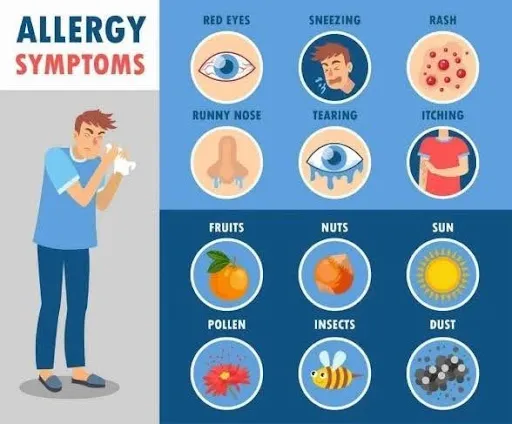
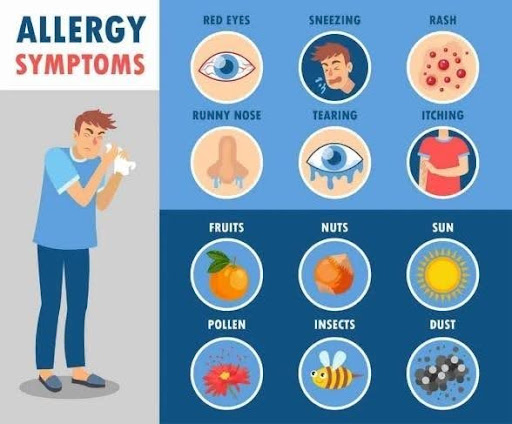
Allergic rhinitis is the most prevalent childhood condition due to allergies. Symptoms are a runny and itchy nose, sneezing, postnasal drip, and nasal congestion (blockage). The child with allergies can also have itchy, watery, red eyes and chronic ear issues. Although it’s often referred to as “hay fever,” allergic rhinitis isn’t caused by hay and doesn’t result in fever.
Nasal congestion
Allergies are the leading cause of persistent nasal congestion (stuffiness) in children. At times, a child’s nose may be congested so severely that he or she has to breathe through his or her mouth, particularly while sleeping. It may also deprive the child of a sound night’s sleep and hence he or she would feel tired the following day. If the congestion and mouth-breathing are not treated, they can impact the teeth’s growth and the facial bones. Early treatment of the allergies causing the nasal congestion may prevent these problems.
Ear infections
Allergies lead to inflammation in the ear and may cause fluid accumulation that can promote ear infections and decreased hearing. A baby whose hearing is impaired for any reason while learning to talk may develop poor speech. Allergies can cause earaches as well as ear itching, popping and fullness (“stopped-up ears”). Anyone with these symptoms should see an allergist for possible testing and treatment.
Food allergies
If a new mother is breastfeeding, some especially sensitive babies can have allergic reactions to foods their mothers eat. Babies can be tested for allergies. Eliminating these foods from the mother’s diet may provide relief for the child.
The most common allergies in children are to peanuts and milk; other frequently seen triggers include eggs, fish, shellfish (crab, lobster, crayfish and shrimp), soy, tree nuts (for example, pecans, cashews and walnuts) and wheat. The most severe reactions are typically to peanuts, tree nuts, fish and shellfish — all allergies that can last a lifetime. Children often outgrow allergies to milk, eggs, soy and wheat.
All parents of a child with a food allergy should be aware of the possibility of anaphylaxis — a potentially life-threatening reaction that impairs breathing, causes a sudden drop in blood pressure and can send a body into shock. For that reason, most children with food allergies are prescribed epinephrine (adrenaline), administered with an auto-injector as soon as symptoms develop.
Types of Allergies in Children
Food Allergies
Peanuts, tree nuts, milk, eggs, soy, wheat, fish, and shellfish are the most common food allergens in children.
Symptoms may include hives, swelling, vomiting, diarrhea, or even life-threatening anaphylaxis.
Respiratory Allergies
These include hay fever (allergic rhinitis), asthma, and sensitivity to pollen, dust mites, mold, or pet dander.
Symptoms often include sneezing, coughing, wheezing, nasal congestion, and shortness of breath.
Skin Allergies
Eczema (atopic dermatitis), contact dermatitis, and hives are common skin-related allergic conditions.
Triggers may include soaps, detergents, foods, or environmental allergens.
Insect Sting Allergies
Bee or wasp stings can cause localized swelling or systemic reactions, including anaphylaxis.
Drug Allergies
Penicillin and other antibiotics are common causes of allergic reactions in children.
Factors Contributing to the Rise in Allergies
Several factors have contributed to the increased prevalence of allergies in children:
- Hygiene Hypothesis: Reduced exposure to germs during early childhood may hinder immune system development.
- Genetics: A family history of allergies increases the risk in children.
- Environmental Changes: Increased pollution and exposure to allergens may trigger reactions.
- Dietary Habits: Delayed introduction of allergenic foods or limited diversity in the diet may contribute.
The Latest in Child Allergy Management
Managing pediatric allergies involves identifying allergens, minimizing exposure, and providing medical treatment. Advances in diagnostic tools and treatment strategies have greatly improved child allergy management.
1. Accurate Diagnosis
1. Accurate Diagnosis
- Skin Prick Tests and Blood Tests: These remain the standard for identifying allergen sensitivities.
- Component-Resolved Diagnostics (CRD): A new method that analyzes individual allergenic proteins to improve diagnosis.
2. Avoidance and Environmental Control
- Educating families about allergen avoidance at home and school is key.
- Using air purifiers, allergen-proof bedding, and maintaining cleanliness can reduce exposure.
3. Emergency Preparedness
- Children at risk for severe reactions should carry epinephrine auto-injectors.
- Schools and caregivers must be educated on emergency protocols.
Pediatric Allergy Treatments: Traditional and New Approaches
Treatment depends on the type and severity of the allergy. While antihistamines, corticosteroids, and bronchodilators remain common, several newer therapies are offering promising results.
1. Medications
1. Medications
- Antihistamines: Help control symptoms like sneezing and itching.
- Corticosteroids: Reduce inflammation in asthma and eczema.
- Leukotriene Modifiers: Used to manage asthma and allergic rhinitis.
- Topical Ointments: For skin allergies, particularly eczema.
2. Allergen Immunotherapy
One of the most promising advancements in pediatric allergy treatments is allergen immunotherapy.
- Subcutaneous Immunotherapy (SCIT): Allergy shots administered over several years to desensitize the immune system.
- Sublingual Immunotherapy (SLIT): Allergy tablets or drops placed under the tongue, suitable for dust mites, pollen, and grasses.
- Peanut Oral Immunotherapy (OIT): Gradual exposure to small amounts of peanut protein to build tolerance.
These treatments aim to not only reduce symptoms but also alter the immune system’s response, potentially offering long-term relief.
Advancements in Pediatric Immunotherapy
Advancements in Pediatric Immunotherapy
Pediatric immunotherapy has evolved significantly, with newer methods showing improved safety, efficiency, and ease of use.
Personalized Immunotherapy
Based on the child’s specific allergy profile and genetic makeup, treatments can now be customized.
Biologics
Monoclonal antibodies like omalizumab (Xolair) are being used to treat moderate to severe asthma and chronic urticaria in children.
Improved Delivery Methods
Microneedle patches and nasal sprays are being explored to make immunotherapy less invasive and more child-friendly.
Lifestyle and Holistic Approaches
While medical treatments are crucial, lifestyle and holistic approaches also support allergy management.
- Nutrition: A balanced diet rich in antioxidants, vitamins, and omega-3 fatty acids may help reduce inflammation.
- Probiotics: Some studies suggest that probiotics may help in reducing the risk of allergies, especially eczema.
- Mind-Body Techniques: Stress management, yoga, and adequate sleep contribute to overall immune health.
Challenges in Pediatric Allergy Care
Despite advancements, several challenges persist:
- Underdiagnosis or Misdiagnosis: Symptoms may mimic other conditions like colds or digestive issues.
- Access to Specialists: Not all regions have pediatric allergists.
- Medication Adherence: Children may resist treatment or forget to take medications.
- Social Stigma: Food allergies can affect social experiences and emotional health.
Educating Parents and Caregivers
Empowering parents, teachers, and caregivers is essential in managing pediatric allergies effectively.
- Awareness programs can help in early detection and proper response.
- Training in using epinephrine and recognizing anaphylaxis can save lives.
- Creating allergy-friendly environments at schools and public places is critical.
The Future of Pediatric Allergy Treatments
With continued research and innovation, the future of pediatric allergy care looks promising:
- Gene Therapy: Potential for long-term solutions by modifying immune responses.
- Microbiome-Based Treatments: Harnessing gut bacteria to regulate the immune system.
Conclusion
Pediatric allergies are a growing health issue that requires a multifaceted approach. From identifying common allergies in children to embracing the latest in child allergy management, parents and healthcare providers must stay informed and proactive. With remarkable advancements in pediatric immunotherapy and personalized treatment strategies, children can look forward to a healthier, more comfortable life.
The key lies in awareness, early intervention, and leveraging the latest medical innovations to ensure that every child with allergies receives the care they need.