How to Prevent Anemia in Children: Causes, Symptoms, Diagnosis and Treatment
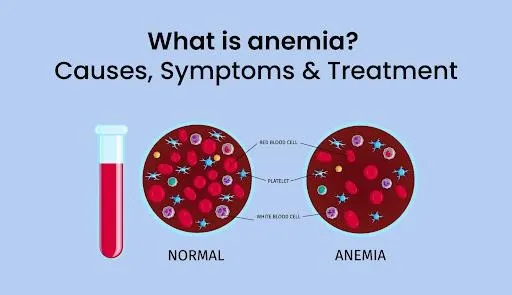
Anemia in children is a condition wherein the child’s body produces less red blood cells for the age .Along with feeling irritable, exhausted, or weak, it may cause the child to appear pale. While these symptoms are worrisome, iron deficiency, one of the most common causes of anemia, is usually treatable, especially if detected early.
What is anemia in children?
Children often suffer from anemia. Anemia occurs when a child’s hemoglobin and red blood cells are insufficient. The protein known as hemoglobin enables red blood cells to transport oxygen to tissues.
There are various causes of anemia

- Red blood cells are lost
- The body doesn’t produce enough red blood cells
- Red blood cells are destroyed faster than they are made
A drop in red blood cell count or hemoglobin levels may occur because of:
- Inherited conditions affecting red blood cells
- Infections
- Certain illnesses
- Specific medications
- Deficiencies in essential vitamins or minerals in the diet
Which children are at risk of anemia?
Among the risk factors for anemia in children are: Low birth weight An excessive amount of animal milk consumption A diet deficient in iron or certain vitamins and minerals Blood loss from surgery or an accident Chronic conditions such as autoimmune or connective tissue disorders or liver or renal dysfunction Sickle cell anemia and other hereditary forms of anemia with a family history
What are the signs of anemia in children?

- Fast heartbeat
- Shortness of breath or difficulty breathing
- Feeling tired or low on energy
- Dizziness, especially when standing up
- Headaches
- Moodiness or irritability
- Irregular or missed periods in older girls
- Swollen or sore baldtongue
- Pale skin tone
- Yellowish skin, eyes, or mouth (jaundice)
- Enlarged liver or spleen
- Slower growth and development
- Delayed healing of wounds or tissues
- Craving for eating nonnutritive substances like ice, chalk piece,mud,clay.
How is anemia diagnosed in children?
Doctors often screen for anaemia during routine examination because it is quite common in children and may not cause any symptoms. Common tests are:
• Haematocrit and haemoglobin test: This simple test counts the number of red blood cells and the amount of haemoglobin in the blood. • Complete blood count (CBC): This is a more detailed test that examines platelets, white blood cells, red blood cells, and occasionally reticulocytes, which are young red blood cells.
• Peripheral blood smear: To determine whether blood cells appear normal, a blood sample is seen under a microscope.
• Haematocrit and haemoglobin test: This simple test counts the number of red blood cells and the amount of haemoglobin in the blood. • Complete blood count (CBC): This is a more detailed test that examines platelets, white blood cells, red blood cells, and occasionally reticulocytes, which are young red blood cells.
• Peripheral blood smear: To determine whether blood cells appear normal, a blood sample is seen under a microscope.
How can you help prevent anemia in your child?
Iron deficiency anemia, the most prevalent kind, may frequently be avoided by making sure your child receives enough iron. Few inherited forms of anemia also can be prevented by early gestational diagnosis, genetic counseling and family screening.
Here’s how:
• Breastfeed exclusively: For the first six months, breast milk supplies adequate iron. Later as the stores deplete and requirement is increased, iron supplements would be needed.
• If your infant is not breastfed, use formula that has been supplemented with iron.
• Steer clear of cow’s milk before the age of one because it is low in iron and may decrease the absorption of iron. • Provide foods rich in iron. Include foods like red meats, potatoes, tomatoes, raisins, egg yolks, and iron-fortified cereals once your child begins eating solid meals. Regular deworming of the children is also key in preventing occult losses.
Family screening in cases of inherited anemia, Preimplantation gestational diagnosis, Amniocentesis.
Here’s how:
• Breastfeed exclusively: For the first six months, breast milk supplies adequate iron. Later as the stores deplete and requirement is increased, iron supplements would be needed.
• If your infant is not breastfed, use formula that has been supplemented with iron.
• Steer clear of cow’s milk before the age of one because it is low in iron and may decrease the absorption of iron. • Provide foods rich in iron. Include foods like red meats, potatoes, tomatoes, raisins, egg yolks, and iron-fortified cereals once your child begins eating solid meals. Regular deworming of the children is also key in preventing occult losses.
Family screening in cases of inherited anemia, Preimplantation gestational diagnosis, Amniocentesis.
How is anemia treated in children?
The cause, the age of your child, the symptoms, and their general health are important factors to decide the treatment. While certain types of anemia can be treated dietary modifications, others may need: Iron-rich or B12,B9 supplements. Blood transfusions Surgery or Hematopoietic stem cell transplant A recommendation to consult a Pediatric hematologist, a specialist in blood conditions
When should I call the doctor for my child?
If your child hasn’t been examined for anemia or you see symptoms of it, get in touch with their doctor. Talk about their risk and if any testing is required.
Why choose Ankura Hospital for treating anemia in children?
At Ankura Hospital, we provide comprehensive care for anemic children, ranging from proper diagnosis to customized treatment plans. Our pediatric hematology and oncology specialists employ advanced testing to determine the type and cause of anemia, while our nutrition team guides parents on preventing iron deficiency through proper diet. With child-centered amenities, empathetic care, and a focus on long-term well-being, Ankura ensures your child gets the right support for healthy growth and development.