Genetic Testing in Women’s Health: Prevention, Diagnosis, Treatment and Personalized Care
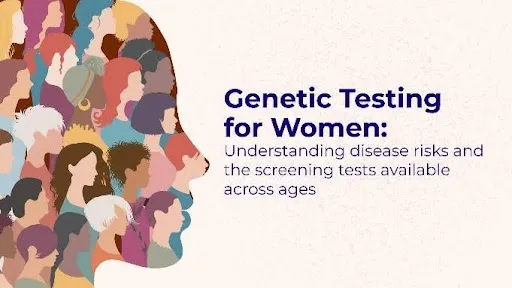
Genetic testing is revolutionizing the way women manage their health, fertility, and overall long-term well-being. By examining the DNA in close detail, physicians can identify risks for particular diseases, explain inherited ailments, and even inform treatment or lifestyle choices. For women, genetic testing has become important in areas like cancer prevention, reproductive planning, and family health. When should you think about testing? How can it impact your family, and what are the ethical concerns you should remember? This blog explains everything you need to know about genetic testing in women’s health—from inherited cancer risk to fertility issues, how testing is done, and what steps to take after receiving results.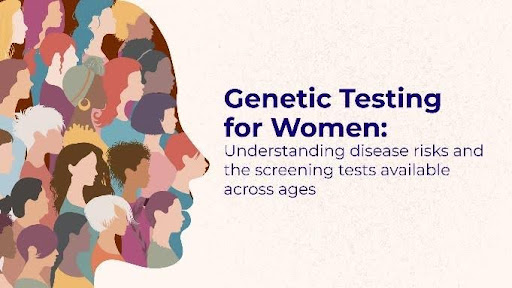
BRCA and Hereditary Cancer Risks
One of the most popular uses of genetic testing in women’s health is related to BRCA1 and BRCA2 gene mutations. Women who have harmful changes in these genes are much more likely to develop ovarian and breast cancer. Breast cancer: Although the average woman carries a roughly 12% lifetime risk of developing breast cancer, women with BRCA mutations can have a 45–70% risk. Ovarian cancer: The lifetime risk for ovarian cancer is around 1–2%, but in BRCA carriers, the risk increases to 20–45%. Genetic testing for BRCA mutations doesn’t just apply to those with a strong family history of cancer. A few women with no obvious family patterns might nonetheless carry these mutations. If you have a positive test, it doesn’t mean you will develop cancer—it only means you have a much higher chance. Being informed with this information, you can discuss with your health care team how to make well-informed decisions, such as: Frequent screenings Surgery to prevent the development of cancer Medications that reduce cancer risk These findings also benefit your family. If you have a mutation, your siblings, children, or relatives may also benefit from testing to understand their own risks..
Fertility and Genetic Disorders
Genetic testing also has an important function in reproduction and fertility. For women planning to become pregnant, some genetic tests can detect inherited disorders that can impact pregnancy or a child’s health. Carrier screening test screens to see if you are a carrier of mutations for genetic disorders such as cystic fibrosis, sickle cell anemia, or thalassemia. Carriers may not have any symptoms themselves but can pass on the disorder to their children if their partner is also a carrier. Preconception and prenatal testing: If both you and your partner are carriers, you might opt for assisted reproductive techniques like IVF with PGT to ensure embryos are free of a particular condition. Prenatal testing during pregnancy can also provide insights into the baby’s health. Fertility preservation: Genetic testing can also guide women with conditions such as endometriosis, polycystic ovary syndrome (PCOS), or hereditary risks that impair reproductive health.
Benefits and Ethical Considerations
While medical benefits to genetic testing are profound, it’s also important to consider the ethical and emotional implications before making a decision.
Benefits
• Early detection and prevention: Knowing your risks allows for early screening and prevention strategies.
• Personalized care: Doctors can tailor treatment plans based on your genetic profile.
• Family impact: Results can provide clarity for relatives who may share similar risks.
• Reproductive planning: Couples can make informed choices about family building.
Ethical Considerations
• Emotional impact: Learning about a high risk for cancer or other conditions can be overwhelming. Some women experience anxiety, guilt, or fear after receiving results.
• Privacy concerns: Genetic information is sensitive. Questions about who can access your results—insurance companies, employers, or even extended family—need careful consideration.
• Family dynamics: Sharing results with relatives can sometimes create tension, especially if not everyone is ready to face potential risks.
• Decision-making pressure: A positive test may lead to difficult decisions, such as preventive surgery or fertility treatments, which are deeply personal and complex.
Prior to undergoing genetic testing, it’s usually advisable to consult a genetic counsellor. Counsellors give you the information on the advantages, limitations, and possible consequences so you can make the decision confidently..
How Testing Works
The genetic testing process is generally simple, but the consequences can be profound. Here’s a general overview: Your doctor or a genetic counsellor will discuss your family history, personal health, and reasons for considering testing. This step ensures you understand what the test can tell you. Most tests require either a blood sample or a saliva swab. The procedure is quick and painless. Laboratory analysis is another is the next step. The sample is analyzed to look for specific mutations or genetic markers linked to hereditary conditions. Results interpretation: Once the results are ready, your doctor or genetic counsellor explains what they mean. Results may fall into categories like: Positive: A mutation is present that increases risk. Negative: No known mutations found. Variant of uncertain significance (VUS): A genetic change is detected, but its impact is unclear. Based on the results, your care team will refer you to screenings, therapies, or decisions about having children. Keep in mind that genetic testing is not always definitive—it returns probabilities and direction for future care.
What to Do With Your Results
Getting genetic test results is just the starting point. The way ahead is up to whether your results are positive, negative, or inconclusive.
If Your Test Is Positive
• Don’t panic: A positive result means increased risk, not a guaranteed diagnosis.
• Discuss options: Work with your doctor to explore screening, preventive measures, or treatments.
• Inform family: Consider sharing results with relatives who may also be at risk.
• Seek support: Emotional support groups and counselling can help you process your feelings and decisions.
If Your Test Is Negative
• Reassurance, with caution: A negative result lowers your risk but doesn’t eliminate it completely. Continue following general health guidelines and screenings.
• Stay updated: Science evolves. A variant that’s harmless today may be reclassified in the future, so regular check-ins with your healthcare provider are wise.
If Results Are Uncertain
• Be patient: Sometimes, science hasn’t yet determined whether a genetic variant increases risk.
• Rely on family history: Your doctor may still recommend certain screenings based on family patterns.
• Stay informed: Over time, researchers may clarify the meaning of uncertain variants.
Conclusion
Genetic testing for women’s health is not just a medical test—it’s a method to own your future. Whether it’s identifying a hereditary risk of cancer, planning for fertility, or getting ready for your family, the information you receive can bring about proactive decisions and reassurance. Still, genetic testing isn’t a decision to rush into. It comes with emotional weight, ethical questions, and sometimes complex results. The most important step is to approach it with the right guidance and support. If you’re considering genetic testing, remember that knowledge is power—but it’s also deeply personal. The decision should be made on your terms, with guidance from trusted healthcare professionals and loved ones. At its core, genetic testing empowers women with the information they need to safeguard their health, plan for fertility, and seek expert care in gynecology. At Ankura Hospital, our dedicated team supports you every step of the way, helping you make informed decisions for your reproductive health and giving you confidence in your future.