Fetal Alcohol Syndrome (FAS): What Every Parent Should Know
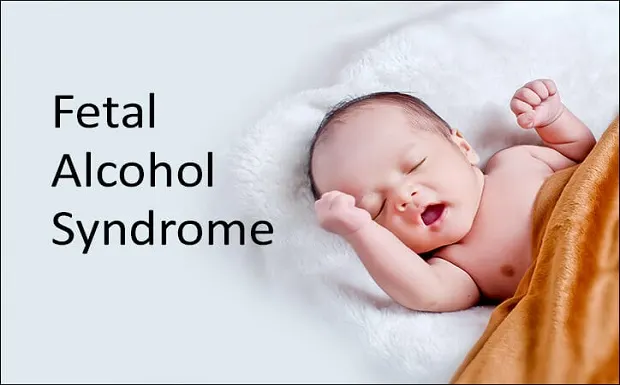
Have you ever wondered how alcohol affects a baby’s brain and growth during pregnancy? One of the most serious risks is Fetal Alcohol Syndrome (FAS) — a condition that can affect a child for life.
Let’s break it down so it’s easy to understand: what FAS is, why it matters, and how you can prevent it.
What is Fetal Alcohol Syndrome (FAS)?
FAS is the most severe form of Fetal Alcohol Spectrum Disorders (FASD). It happens when alcohol consumed during pregnancy passes through the placenta and disrupts the baby’s brain development.
Children with FAS may have:
- Growth problems
- Distinct facial features
- Brain and nervous system difficulties
Because it directly affects the developing brain, FAS can lead to long‑term challenges with learning, memory, behavior, and social skills.
How Does Alcohol Affect the Baby’s Brain?
You might think a small amount of alcohol is safe during pregnancy — but research shows there is no safe level.
Alcohol can:
- Interfere with how brain cells grow and connect
- Disrupt neurotransmitters (the brain’s chemical messengers)
- Slow down overall brain development
These changes can make it harder for a child to learn, focus, remember things, and make decisions later in life.
Signs and Symptoms to Watch For
It's not always easy to tell if a baby has Fetal Alcohol Syndrome (FAS) right after birth. In fact, the signs often become more noticeable as the child grows.
Some kids may look different because they were born with a lower birth weight, a smaller head (also called microcephaly), a smooth area between their nose and upper lip, or a thinner upper lip.
But there are more than just physical signs. FAS can also change how a child learns and behaves. You might see that they are behind in their development, have trouble learning, or have trouble paying attention and controlling their impulses. Some kids may also have a harder time getting along with others.
These problems can sometimes impact their academic performance as they get older, and they may require ongoing support to manage them effectively and achieve success.
Can FAS Be Treated?
There is no cure for FAS, but early help makes a big difference.
Treatment usually focuses on managing symptoms and building skills:
- Special education programs
- Speech and occupational therapy
- Behavioral therapy
- Family counseling and support
Early diagnosis allows doctors to create personalized care plans that help children reach their full potential.
Prevention: The Most Important Step
FAS is completely preventable. The safest approach is:
There should be no alcohol consumption at any stage of pregnancy. Even before a pregnancy is confirmed, avoiding alcohol is important if you are planning to conceive.
Why Early Diagnosis Matters
Spotting FAS early can reduce future challenges like school difficulties, mental health concerns, or social problems. With timely support, children can learn coping skills, adapt better, and improve their quality of life.
Conclusion
Fetal Alcohol Syndrome is a serious condition that can affect a child’s growth, learning, and behavior for life. The best way to protect your baby is simple: don’t drink alcohol during pregnancy. If FAS is suspected, early diagnosis and support can help children live healthier, happier lives.
Why Choose Ankura for Pediatric Neurology?
At Ankura Hospital for Women & Children, our pediatric neurology team provides complete care for children with developmental and neurological conditions like FAS. We use advanced diagnostic tools and a team approach — including neurologists and developmental therapists— to cover every aspect of care.
Our focus is not only on treatment but also on early identification, parental guidance, and long‑term developmental support. We partner with families every step of the way to help children achieve the best possible outcomes.