Has your child ever complained of leg pain at night, only to be completely fine the next morning? It can be confusing—and a little worrying. Are they just growing pains, or could it be something worse?
Let's break it down so you can understand the difference and know when to do something.
What Are Growing Pains?
You may have heard the term "growing pains" and wondered if they are really caused by growth. Growing pains are not directly caused by growth, even though they have that name. They are actually a common type of muscle pain that kids get, especially between the ages of 3 and 12.
How do these pains usually feel?
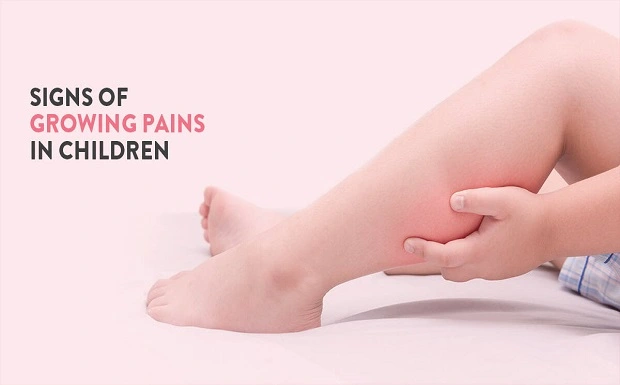
Children often complain of pain in their legs, particularly in the thighs, calves, or behind the knees. These pains usually happen on both sides of the body, not just one. They often happen in the evening or at night, and sometimes they even wake the child up.
Growing pains aren’t dangerous and tend to go away on their own as your child grows.
What Causes Growing Pains?
Experts don't know exactly what caused it, but they think that a few common things might have been involved.
For instance, children who are very active during the day—running, jumping, and playing—may experience muscle fatigue, which can lead to aches later in the evening or at night.
Some kids may also have a lower pain threshold, which means they might feel these aches more strongly than other kids.
One important thing to remember is that, despite the name, growing pains are not caused by bone growth and are not linked to any serious disease.
How to Identify Growing Pains in Children
There are a few common signs that can help you figure out what they are. These pains usually affect both legs, not just one side, and they come and go instead of staying the same. You might notice that the pain starts in the evening or at night, sometimes even after a very active day. These pains usually get better with light massage or other simple ways to relieve pain.
Another important point—growing pains do not interfere with your child’s daily activities. During the day, your child will seem completely normal—running, playing, and staying active without any difficulty.
This pattern of normal activity during the day and pain at night is one of the main things that sets growing pains apart from other conditions.
When Could It Be Serious?
It's normal to have growing pains, but you shouldn't ignore them. Sometimes, certain signs can mean something more than just growing pains. For example, if your child's pain is only in one leg instead of both, you should pay more attention. Pain that lasts all day instead of just at night might need evaluation.
You should also look for signs like limping or trouble walking, since growing pains usually don't get in the way of normal activities. If you see swelling, redness, or warmth in any area, that's another reason to see a doctor.
Pain that starts after an injury or fall should always be checked. If the pain is also causing a fever or unexplained weight loss, it's also important to see a doctor right away.
Such symptoms might indicate other issues such as muscle strain, fractured bones, infections or inflammatory and orthopedic problems. If you’re unsure, it’s always better to be safe and have it checked sooner rather than later – for peace of mind and the best treatment.
Conditions That Can Mimic Growing Pains
Sometimes, what seems like growing pains is actually something else. If something doesn't feel right, you should look a little closer because some conditions can cause the same symptoms.
For instance, your child might have a muscle strain, especially if they have been very active in sports or play. Leg pain that seems the same at first can also be caused by small sprains or injuries.
Some conditions, like juvenile arthritis, can cause pain and swelling in the joints that might be mistaken for growing pains. Infections that affect the bones or joints are less common, but they can also cause pain and discomfort.
Another thing to think about is a lack of vitamin D, which can make kids' bones hurt and ache.
It's important to know the difference because some of these conditions may need medical attention, but growing pains are not harmful. If your child's symptoms seem strange or last a long time, it's always a good idea to see a doctor.
How Are Growing Pains Managed?
If your child is experiencing growing pains, they are generally harmless and can be effectively managed with basic soothing measures.
You can start by gentle massaging the painful area, which usually helps right away. Cold compression is an effective way to relax muscles and reduce pain.
Light stretching, especially after a day of activity, may help keep the pain from getting worse later in the evening.
It's also important to make sure your child stays well-hydrated and gets proper nutrition, as overall health plays a role in muscle comfort.
You can give your child mild pain relief medicine if a doctor says it's okay. Just as important as these steps is reassurance. Telling your child that the pain is only temporary and not harmful can help them feel better and less anxious.
When Should You Consult a Doctor?
If your child’s pain persists or appears to be getting worse, have it looked at. And don’t disregard the pain if it begins to interfere with daily activities such as playing or walking.
Look for signs such as limping, as growing pains don’t usually affect a child’s ability to walk. If you notice any changes like swelling or redness seek medical advice.
Sometimes, it's simply an instinct. If you’re unsure what’s causing it or you just don’t feel right, don’t be afraid to see a doctor.
An early assessment can help determine if your child is getting the right care at the right time and help rule out more serious conditions.
Conclusions
For many kids, growing pains are a benign part of childhood. But knowing the difference between growing pains and signs of injury or illness is crucial. Parents may be able to recognise symptoms and warning signs and make informed decisions and seek medical care if necessary. With awareness and swift action your child can be active, healthy and pain free.
Why Ankura?
At Ankura Hospital for Women & Children our team of highly trained pediatric orthopedics to diagnose and treat a wide variety of musculoskeletal problems in children, from growing pains to complex orthopedic disorders. We offer child-friendly care, advanced diagnostics and a multi-disciplinary approach to ensure an accurate diagnosis and personalised treatment plans. Ankura is here to help your child grow and move and thrive at every step.