
Diarrhea in Children: Causes, Symptoms, Treatment Options & Prevention Tips
Diarrhea is defined as the passage of 3 or more loose or liquid stools per day or more frequent passage than is normal for the child.
• Diarrhea can be of three types:
• Acute Diarrhea- Usually infective in origin lasts for 14 days or less.
• Persistent Diarrhoea-Diarrhoea of presumed infectious etiology, which starts acutely but lasts for more than 14 days.
• Chronic Diarrhoea- Diarrhea which lasts for more than 14 days, is usually non infectious and associated with diseases related to absorption.
Causes Of Diarrhea
What causes diarrhea in children?
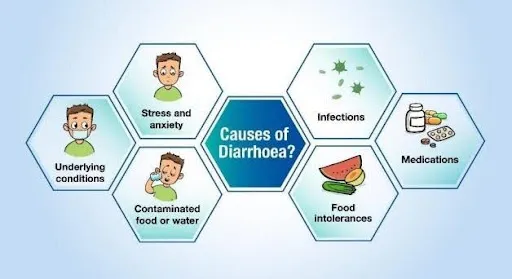
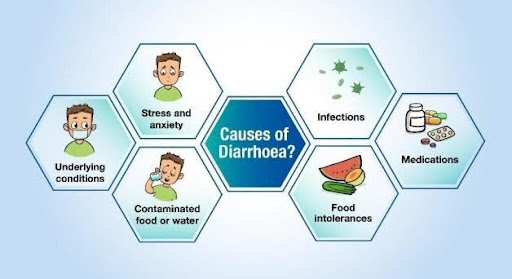
Diarrhea in children can happen for many reasons, such as:
• Bacterial or viral infections
• Difficulty digesting certain foods (food intolerance)
• Drinking too much juice or sugary drinks (often called “toddler’s diarrhea”)
• Trouble digesting lactose, a sugar found in milk (lactose intolerance)
• Allergic reactions to some foods
• Parasites from unsafe food or water
• Side effects from certain medications
• Diseases like inflammatory bowel disease
• Conditions affecting how the stomach and intestines work, like irritable bowel syndrome
• If your child’s diarrhea is severe or doesn’t get better, it could be a sign of a more serious illness. It’s important to talk to a doctor, especially if it affects their daily routine. Figuring out the exact cause may take time.
What are the symptoms of diarrhea in children?
Diarrhea symptoms can vary from child to child and may include:
• Stomach pain
• Nausea/ vomiting
• Needing to use the bathroom urgently
• Fever
• Blood in the stool
If your child has ongoing, severe, or bloody diarrhea, be sure to visit a healthcare provider for proper diagnosis and care.
How Do Doctors Find the Cause of Diarrhea?
To figure out what’s causing diarrhea, doctors will:
• Ask questions about what the child has recently eaten, when the symptoms started, how long the diarrhea has lasted, and how often it’s happening
• Ask about the type of diarrhea—whether it’s watery or has blood in it
• Do a physical examination
• If needed, order tests such as a stool sample, urine test, or blood test to check for dehydration or identify the cause.
How Is Diarrhea Treated?
Viral diarrhea, like that caused by stomach flu (viral gastroenteritis), usually subsides with support of oral rehydration therapy and probiotics. If a bacterial infection is the cause, the doctor may prescribe antibiotics. Diarrhea caused by parasites will require anti-parasitic medicine.
Avoid giving your child over-the-counter anti-diarrhea medications unless the doctor recommends it.
If your child isn’t vomiting, they can continue eating and drinking as usual . Keeping up with regular meals can help in faster recovery. Babies can keep breastfeeding or drinking formula unless they are vomiting often.
If the diarrhea isn’t caused by an infection, the treatment will depend on the underlying cause.
What are the possible complications of diarrhea in children?
The most serious risk of diarrhea in children is dehydration, especially in infants, toddlers, and kids with weak immune systems.
Malnutrition and growth faltering in cases of persistent and chronic diarrhoea.
Severe cases (e.g., rotavirus associated diarrhoea) requires hospitalization for Intra-venous fluids along with close monitoring of hydration status and vitals.
How can I help prevent diarrhea in my child?
The best way to prevent diarrhea is by maintaining hygiene through proper handwashing, which helps stop the spread of germs. Using alcohol-based hand sanitizers can also be helpful.
Giving your child the rotavirus vaccine can protect them from diarrhea and vomiting caused by rotavirus, a common stomach virus that can lead to dehydration. Ask your child’s doctor about the recommended vaccines.
When traveling—especially to developing countries—be extra cautious about what your child eats and drinks.
Here are some safety tips for food and drinks while traveling:
• Avoid drinking tap water or brushing teeth with it
• Don’t use ice made from tap water
• Stay away from unpasteurized milk
• Avoid undercooked or raw meat and seafood
• Don’t eat food sold by street vendors or food trucks
Always check with your child’s doctor before planning a trip, especially international travel.
Why Choose Ankura for Pediatric Gastroenterology Care?
At Ankura Hospital for Women and Children, we understand how vital it is to address digestive concerns early to support your child’s overall health and development. Our dedicated pediatric gastroenterology team provides tailored care for infants, children, and adolescents in a safe, child-friendly environment.
Backed by advanced technology and clinical expertise, we manage a wide spectrum of conditions affecting the gastrointestinal tract, liver, pancreas, and nutritional health. From routine consultations to complex procedures like pediatric endoscopy and colonoscopy, our focus remains on comfort, accuracy, and safety. What truly makes Ankura stand out is our collaborative approach—our specialists, including pediatric surgeons and dietitians, work together to offer holistic and compassionate care. We’re here to support your child’s digestive health every step of the way.