Diabetic Ketoacidosis in Children: What Parents Need to Know About Signs & Treatment
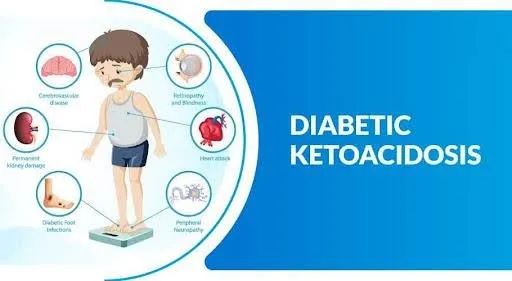
Children too can develop diabetes, most commonly type 1 diabetes, and one of the most serious complication these children may face is called Diabetic Ketoacidosis (DKA). In fact, for many children, DKA may even be the first sign of type 1 diabetes. It’s important for parents to understand what it means, why it happens, and most importantly, when to seek help. Early recognition of this condition can save a child’s life.
What Is Diabetic Ketoacidosis (DKA)?
This is a serious complication of diabetes that happens when the body doesn’t have enough insulin. Without insulin, glucose (sugar) cannot enter the cells of the body for energy. The body thus starts breaking down fat for energy, which produces ketones. When ketones build up in the blood, they make it dangerously acidic. This is Diabetic Ketoacidosis.
Why Does Diabetic Ketoacidosis Happen in Children?
Unlike how one may think, it’s not rare for children to get this condition. In children, Diabetic Ketoacidosis usually happens in two situations: Newly diagnosed diabetes: Sometimes the first sign of type 1 diabetes in a child is DKA, especially if the early symptoms (excessive thirst, frequent urination, weight loss) were missed. In such cases, parents wouldn’t even know when their child progressed to Diabetic Ketoacidosis. If parents seek review by a pediatric endocrinologist early the development of DKA can be prevented. Known diabetes: In known cases of diabetes too, diabetic ketoacidosis can occur. If the child with type 1 diabetes misses insulin doses, develops an added infection, or the insulin pump/pen malfunctions.
Unlike how one may think, it’s not rare for children to get this condition. In children, Diabetic Ketoacidosis usually happens in two situations: Newly diagnosed diabetes: Sometimes the first sign of type 1 diabetes in a child is DKA, especially if the early symptoms (excessive thirst, frequent urination, weight loss) were missed. In such cases, parents wouldn’t even know when their child progressed to Diabetic Ketoacidosis. If parents seek review by a pediatric endocrinologist early the development of DKA can be prevented. Known diabetes: In known cases of diabetes too, diabetic ketoacidosis can occur. If the child with type 1 diabetes misses insulin doses, develops an added infection, or the insulin pump/pen malfunctions.
What are the warning signs that parents should watch for?
It takes time for diabetic ketoacidosis to develop. It may take over hours to days; thus, early recognition is critical. Signs of DKA include:
- Rapid breathing or deep sighing breaths
- Fruity or sweet smell on the breath
- Nausea, vomiting and stomach pain
- Unusual tiredness or confusion
- Dehydration (dry mouth, sunken eyes)
If your child has diabetes and shows these signs, then consider it’s as a medical emergency and seek pediatric endocrinologist care immediately.
Why Is Diabetic Ketoacidosis Dangerous?
High ketone levels can upset the body’s salt and fluid balance, leading to dehydration, altered consciousness, and, if untreated, life-threatening complications. Thus, this condition requires early and immediate attention. With prompt medical treatment, most children recover fully.
How is this condition treated?
Diabetic ketoacidosis is treated in the hospital under close monitoring. Children are given IV fluids to rehydrate, along with insulin to gradually lower blood sugar and ketone levels. Doctors also correct electrolyte imbalances, such as low potassium, to restore the body’s balance. Throughout this process, the child is carefully managed in a pediatric ICU until they are stable.
Can Diabetic Ketoacidosis be prevented?
In known cases of diabetes, this condition can be prevented by following prescribed treatments regularly and regular health checkups. Some things that can be done include:
- Never skip insulin doses
- Check blood sugars regularly as advised by the pediatric endocrinologist
- Test for ketones when your child is sick, has high sugar (>250 mg/dL), or is vomiting.
- Older children should be educated to recognise the early warning signs.
What Can Parents Do at Home if They Recognize It?
If a parent suspects that the child has diabetic ketoacidosis, then the most important step is to treat it as a medical emergency. Unlike mild high blood sugar, this condition cannot be managed at home. Here’s what parents can do immediately:
- Check blood sugar and ketones (using a urine strip or blood ketone meter) if available.
- Do not delay care and take your child to the nearest emergency department right away.
- Keep your child hydrated with small sips of water if they are alert and able to drink safely, but don’t force fluids if they are nauseous or lethargic.
- Inform the hospital staff quickly that your child has diabetes or is suspected to be in a state of diabetic ketoacidosis, so that treatment can begin without delay.
Diabetic ketoacidosis is a serious but preventable complication of type 1 diabetes in children. Knowing the warning signs like, rapid breathing, fruity breath, excessive thirst, vomitings, stomach pain and unusual drowsiness can help parents act quickly. With prompt treatment and good diabetes management, children can stay safe and healthy.
Why choose Ankura?
Ankura Hospitals for Women and Children have the best team of pediatric endocrinologists who are committed to providing empathetic and quality care for babies and children. We offer the most advanced and world-class setup for pediatric endocrinology, where every child is treated with personalized care, clinical excellence, and compassion. Our multidisciplinary team is equipped to diagnose and manage a wide range of endocrine conditions, including regular monitoring of healthy growth and development. Our expert team ensures safe, accurate, and child-friendly treatments using the latest technology in a comforting environment. At Ankura, we believe in a family-centered approach, ensuring parents are involved in every step of the care process. With state-of-the-art diagnostic tools, child-friendly facilities, and 24/7 pediatric support, Ankura remains a trusted destination for children’s health.