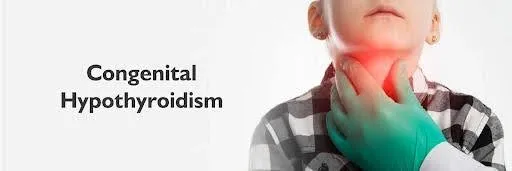
Congenital Hypothyroidism: Causes, Signs, Symptoms, Diagnosis & Treatment in Newborns
Congenital hypothyroidism (CH) is a deficiency of thyroid hormones at birth. It is important to diagnose it early, as even a slight delay in treatment will lead to irreversible neurological damage.
What is Congenital Hypothyroidism?
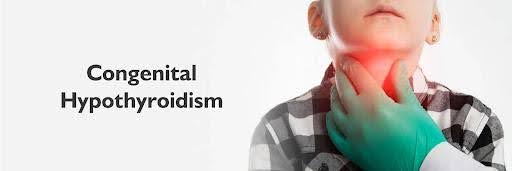
Congenital hypothyroidism is a condition in which infants are born with minimal or no thyroid gland function. The thyroid is a small, butterfly-shaped gland in the lower front of the neck. The thyroid produces hormones that utilize iodine and are necessary for brain development, growth of the body, and regulating how the body utilizes energy (metabolism). Infants with this condition have below-normal levels of these important hormones.
What Causes It?
The majority of instances of congenital hypothyroidism arise when the thyroid gland doesn’t form correctly during pregnancy. In approximately 80 to 85% of instances, the gland is absent entirely, underdeveloped, or in an abnormal position—thyroid dysgenesis. In these cases, the thyroid cannot produce enough hormones to meet the body’s needs. The reason for this abnormal development is often unknown, but in some instances, it may be linked to genetic factors.
The majority of instances of congenital hypothyroidism arise when the thyroid gland doesn’t form correctly during pregnancy. In approximately 80 to 85% of instances, the gland is absent entirely, underdeveloped, or in an abnormal position—thyroid dysgenesis. In these cases, the thyroid cannot produce enough hormones to meet the body’s needs. The reason for this abnormal development is often unknown, but in some instances, it may be linked to genetic factors.
In the other cases, the thyroid gland is normal and can even be enlarged (a goiter) but is unable to synthesize enough hormones because of defects in the hormone-production process. This condition is called thyroid dyshormonogenesis, which results from inherited genetic mutations. If one child in a family has this, there is approximately a 1 in 4 chance that another child will have the same issue.
More rarely, the thyroid gland is structurally normal and capable of producing hormones, but the pituitary gland—which controls thyroid function—fails to send the proper signals. This results in reduced or absent hormone production and is classified as central (or pituitary) hypothyroidism.
What Are the Signs & Symptoms of Congenital Hypothyroidism?
Babies may not show clear signs at first.
Early symptoms can include:
- Yellowing of the skin or eyes (jaundice)
- Sleeping more than usual
- Constipation
- Large soft spot on the head (fontanel)
- Puffy face
- Swollen tongue
- Weak or “floppy” muscle tone
- Poor or slow growth
- Cool or pale skin
- Large belly with the belly button sticking out
Without early treatment, the condition can cause:
- Permanent mental disability and physical development issues
- Feeding difficulties
- Breathing problems
How Is Congenital Hypothyroidism Diagnosed?
Detecting and treating congenital hypothyroidism as early as possible is crucial to prevent long-term complications. That’s why all newborns are tested shortly after birth through routine screening.
A small blood drop is taken from the baby’s heel to check hormone levels. This test is called newborn screening (NBS) and it looks for:
- High levels of TSH (thyroid-stimulating hormone): This hormone is released by the pituitary gland to stimulate the thyroid to produce more hormones. Elevated TSH levels may indicate that the thyroid isn’t working properly.
If the results from the newborn screening are abnormal, additional blood tests are carried out to confirm the diagnosis. - Low levels of T4 (thyroxine): This hormone is produced by the thyroid and plays a key role in regulating metabolism and growth.
- High levels of TSH
Doctors may also suggest imaging studies like a thyroid ultrasound or a thyroid scan to better understand the gland’s structure and function.
How Is Congenital Hypothyroidism Treated?
Children diagnosed with hypothyroidism are prescribed thyroid hormone replacement therapy to compensate for the hormones their body cannot produce. In most cases, this medication will need to be taken every day for life to ensure healthy development.
However, some babies are born with temporary hypothyroidism. This can happen due to factors like premature birth, certain medications taken by the mother during pregnancy, or the presence of thyroid disease in the mother. In such cases, the condition often resolves on its own within the first few weeks or months after birth. It is recommended to take thyroid medicine till first 3 years of age to ensure an optimal brain development and any decision to stop the medicine must be strictly as per the advice of treating doctor.
How Can I Help My Child?
If your child is diagnosed with congenital hypothyroidism, it’s essential to follow the doctor’s instructions carefully and give the thyroid medicine exactly as prescribed.
For babies who are too young to swallow pills, the tablet can be crushed and mixed with a small amount of water, breast milk, or non-soy baby formula. It’s best to give the medication at the beginning of a feed to ensure your child receives the full dose. If you have difficulty dissolving the tablet, speak with your doctor, as some hormone pills mix more easily than others.
Keep in mind that some substances—such as soy-based infant formulas, iron supplements, calcium, and certain medications—can interfere with how the thyroid hormone is absorbed. It’s important to talk to your doctor before introducing any new medicine or supplement, to make sure it doesn’t affect your child’s thyroid treatment.