Skin Rashes in Kids
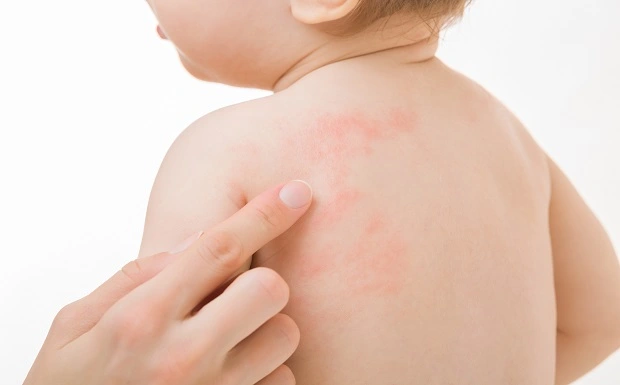
Children often get skin rashes. Raised patches and dry, itchy skin are some of the uncomfortable symptoms they may induce. Most rashes in infants and children, however, are not a cause for concern. Many disappear on their own or merely require modest treatment.
What Are Skin Rashes in Children?
Almost all babies, toddlers and older kids experience a skin rash at some point before adulthood, often more than once. Fortunately, most rashes in children are not serious. They can occur for many reasons such as allergies or viral infections.
Red, raised, and itchy skin can be uncomfortable, painful, and sometimes embarrassing. Skin rashes can develop for various reasons, such as contact with certain plants, allergic reactions to foods or medications, or illnesses like measles or chickenpox.
Some of the most common rashes in children, like eczema and hives, are often linked to allergies. If your child’s rash is allergy-related, an allergist can identify the cause and provide treatment, helping your child stay healthy and enjoy daily activities without discomfort.
Since rashes can differ in their appearance and symptoms, it is important for parents to understand the common types that can affect their child and how to manage them.
The most common skin rashes in babies and kids
Babies and children may experience many different kinds of rashes. Common childhood skin rashes include:
Dermatitis
Any condition that results in inflammation of the skin (redness or discolouration) is referred to as "dermatitis."
Types of dermatitis include:
Diaper rash: The most prevalent baby rash is diaper rash. It affects your baby's thighs, genitalia, and buttocks. Diaper dermatitis is another term for this rash.
Cradle cap: A harmless skin disease that affects your baby's scalp is called cradle cap. This rash is also known as infant seborrhoeic dermatitis.
Baby eczema: The symptoms of baby eczema include dry, itchy skin. The face of your infant is most often affected. Atopic dermatitis is another term for this rash.
Contact dermatitis: This condition results in a rash that is itchy. It happens when your infant comes into contact with an allergen or irritant.
Cellulitis
Cellulitis is an infection that affects the underlying tissue and deeper layers of the skin. Bacterial infections are typically the cause of cellulitis. If a cut breaks the skin, the bacteria might spread to the deeper layers. Although it can happen anywhere on the body, it usually affects the legs. It's likely that your child may also have a fever. The affected area will be hot, swollen, painful, and red.
Scarlet fever
Your child will develop a rash with small, scratchy bumps all over their body as a result of this infection. It also results in symptoms of strep throat.
Impetigo
Children between the ages of two and five are most likely to have impetigo. However, it can happen at any age. Usually, it results in a rash developing under your child's nose or around their mouth.
Molluscum contagiosum
A rash that is harmless but occasionally uncomfortable is caused by this virus. Your child develops tiny, elevated bumps all over their body as a result. This rash may last for a year or longer.
Measles
Measles is a highly contagious condition. It may result in a rash that spreads across your child's body and flu-like symptoms. Measles can be prevented with a vaccine.
Chickenpox
This was once a common childhood rash. Nowadays, most cases can be prevented with a vaccine. This infection is also known as varicella-zoster.
Roseola
This infection commonly affects babies and toddlers before they reach the age of 2. Following a period of high fever, it leads to a rash that spreads across your child’s body. It is also known as sixth disease.
Hand, foot and mouth disease
Your child's hands and feet develop a blister-like rash as a result of this infection. Other body parts could also be affected. It also causes painful sores in your child’s mouth.
Ringworm
Ringworm is actually caused by a fungus, not a worm, as its name suggests. Your child may get a ring-shaped rash anywhere on their body, including their arms, legs and chest.
Teething rash
Your baby's face may have a teething rash that comes and goes. When your baby stops drooling as much or when new teeth erupt, this happens.
Hives
The same cause that causes hives in adults also causes them in infants. When your baby comes into contact with or consumes anything to which they are allergic, a reaction occurs. Urticaria is another term for hives.
Baby acne
Breakouts on your newborn's face and chest are caused by baby acne. Usually, it disappears on its own throughout the first three months of your baby's life.
What are the Most Common Skin Allergies in Kids?
Children can develop a variety of skin allergies, but the most frequent triggers include latex, dust mites, and animal dander. Eczema may flare up due to sweating, rough fabrics, or certain soaps and detergents. Contact dermatitis can be caused by nickel, plants, cosmetics, medications, and chemicals or dyes in clothing. Hives may appear from exposure to latex or pet saliva and dander.
Tips for Parents
Contact your child’s pediatrician if your child’s fever lasts longer than three days or if they are not drinking enough fluids. For severe cases, a pediatric allergist may take throat samples for lab testing.
For fever and pain, your child’s pediatrician may suggest acetaminophen or ibuprofen. Liquid remedies can help soothe mouth ulcers, but regular mouthwash should be avoided as it can sting.
Children with hand, foot, and mouth disease should drink plenty of fluids. Call the pediatrician if you suspect dehydration.
Notify daycare staff and other parents so they can watch for symptoms. The virus can spread through the respiratory tract for 1–3 weeks and in stool for weeks to months after infection. Children can return to school once their fever subsides and they feel well, unless they still have open, oozing blisters.
Why Choose Ankura Hospital for Your Child’s Skin Rashes?
The experienced doctors at Ankura Hospital provide specialised paediatric treatment, identifying and managing a wide range of skin rashes, from common conditions like eczema and diaper rash to infections like cellulitis and impetigo. To ensure your child's comfort and wellbeing, we offer child-friendly, safe, and effective treatments in addition to guidance on preventive and long-term skin health.